
Foot and Mouth Disease 25 Years On
Fund Director, Sue English reflects on her experiences 25 years ago, as Foot and Mouth Disease devastatingly broke out across the UK.
In May 2001, just after finishing lambing and during a brief lull on the farm, I received a call from my local Agricultural Chaplain, an Anglican vicar, asking whether I could help answer the helpline for Addington Fund. In the year 2000 Addington Fund was started by two Suffolk rural clergy to support pig farmers in East Anglia whose herds had been devastated by Swine Fever. But when the Foot-and-Mouth Disease (FMD) crisis erupted in 2001, the charity redirected its surplus funds to respond to the national emergency.
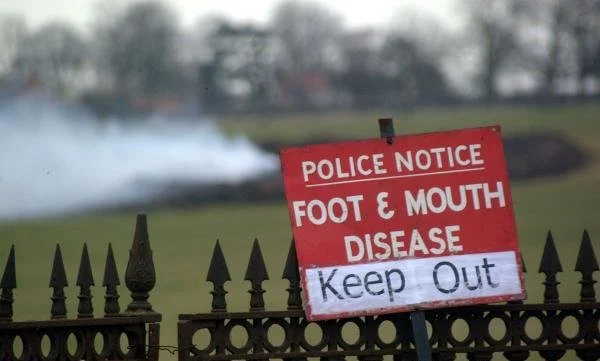
The ARC-Addington Fund, so named back then because The Arthur Rank Centre initiated the response, sprang into action almost overnight. Volunteers and staff with farming knowledge were recruited at speed, and my role became manning the helpline when farmers called for assistance. We were told we would be needed for only six months and then would return to our day jobs once the crisis eased. How wrong that prediction turned out to be - 25 years later, I am still working for Addington Fund, and so much has changed.
In 2001, we operated from the Board Room of The Royal Agricultural Society of England, in Warwickshire, surrounded by eight constantly ringing phones. From 7am to 7pm, the calls never stopped. It was relentless, but every caller spoke to someone who listened. In just 16 months, we processed over 22,000 applications and distributed £10.3 million in emergency support. Each caller was also put in touch with a volunteer from The Farming Community Network (Formerly the Farm Crisis Network) or an agricultural chaplain so that they had someone to offload onto if necessary.
Farmers were deeply isolated during FMD. Many were too frightened to leave their farms, and with footpaths closed, they often saw no one for weeks. Rural churches rang their bells at midday every Sunday so that farmers knew they were not forgotten.
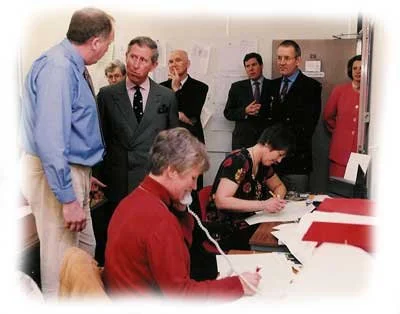
Addington Fund Operations Room in 2001, visited by His Majesty King Charles III when he was Prince of Wales.
Some calls brought heart-breaking news: family members reporting that the strain had become too much, and husbands had taken their own lives. Mental health support in 2001 was virtually non-existent, except for The Samaritans, who also helped our helpline team with advice on managing the emotional toll of the work. Supporting others through crisis carries its own quiet burden.
We listened to farmers describe the deafening silence on their farms after their livestock had been culled - the emptiness of a once-busy milking parlour, cattle shed, or lambing barn now stripped of life. The fear that their own farm might be next hung over them constantly, creating profound anxiety.
The timing could not have been worse. FMD struck at the height of lambing season. Newborn lambs were often born outside in dreadful weather, and restrictions meant farmers could not move them back to the farm if it required travelling on public roads. Many farms have fields far from the farmstead, making this an impossible situation.
I vividly remember the surge of donations after the Daily Mail published a front-page image of a newborn lamb, thick with mud from head to hoof, because the farmer was forbidden to bring it into a dry lambing shed. At the same time, the lamb export market collapsed. International buyers refused British lamb, causing prices to fall below the cost of production. This was the life most farmers were living on a daily basis back then.
Challenges still faced by farmers today
We still support farmers unable to trade due to animal diseases which prevent the movement of livestock. If a farmer cannot sell stock, and when cashflow is challenged one of the consequences is there is no income to buy in feed for the remaining animals on the farm. Extreme weather, withdrawal of farm subsidies, and ageing farming population are all challenges still faced today.
We continue to provide a breathing space to give the farmer time to consider what their options.
Local stories of rural resilience
Farmers are nothing if not resilient, and even today we still receive calls from farmers—or from the next generation—whose families we supported in 2001. Many have since “given back,” choosing to donate to the Addington Fund in recognition of the help they received during those dark and uncertain times.
The churches that rang their bells every Sunday in 2001 to remind isolated farmers that they were not forgotten continue to stand with us. Twenty-five years on, they still support our work through their Christmas and Harvest giving.
As we mark our 25th year, we are reflecting on our roots and acknowledging that we are here today because of the seeds sown throughout the past quarter-century. We will continue to sow those seeds, adapting and evolving the support we offer, so that we can stand with the farming community whenever times become tough.
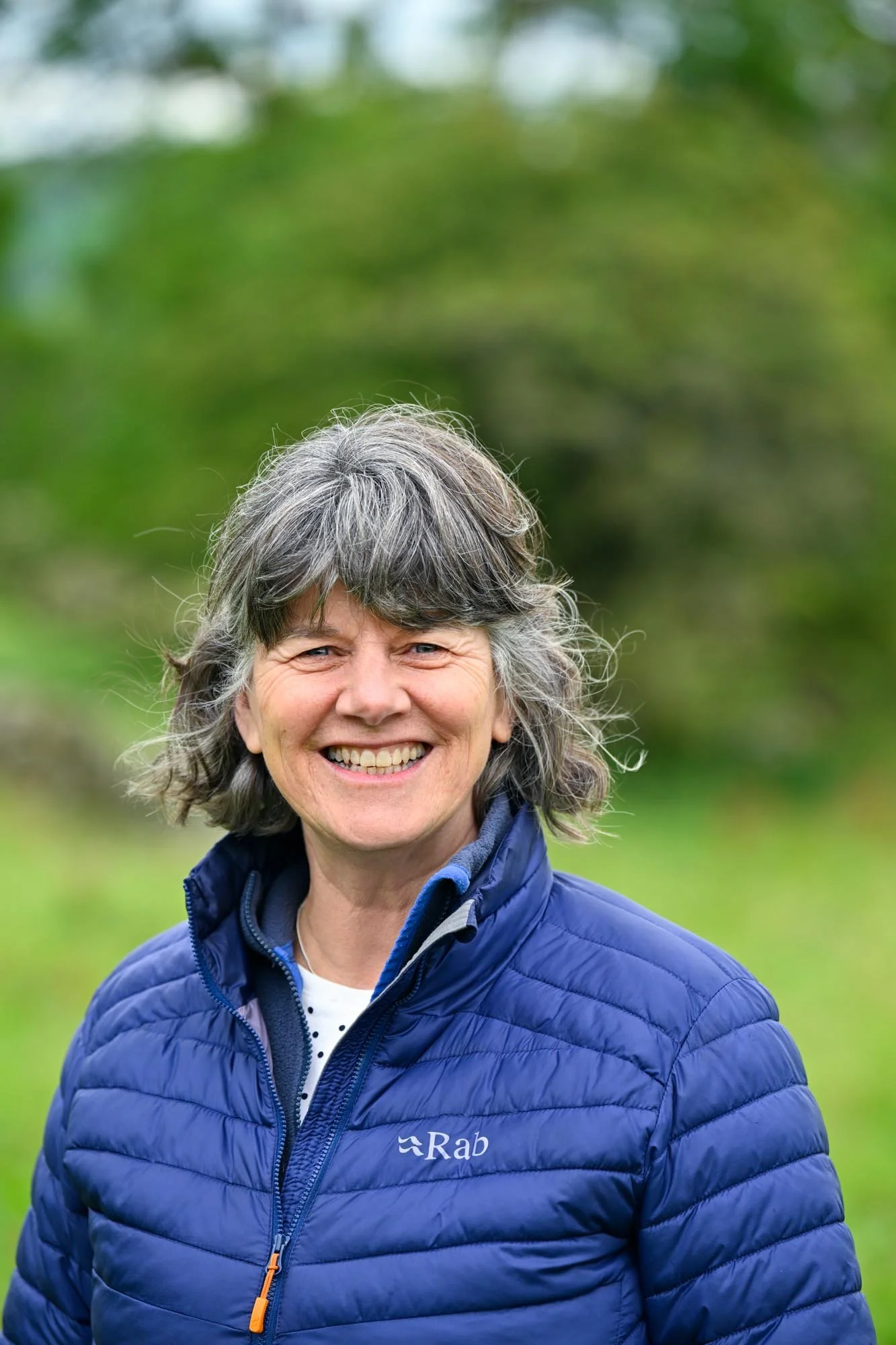
Sue English, Fund Director